Blankets serve as versatile layers for warmth, comfort, and insulation across diverse environments. In this category, blankets are designed with attention to fiber composition, weave, and texture, impacting breathability, softness, and durability. Understanding fabric types—such as cotton, wool, or microfiber—helps identify suitability for varying climates and nightly comfort needs, while ensuring long-term performance.
Material quality and construction influence warmth retention and moisture management. Lightweight options provide year-round use, whereas heavier weaves offer added coziness for colder seasons. Care guidelines, including washing temperatures and tumble-dry compatibility, affect longevity and ease of maintenance, making informed choices essential for consistent fabric behavior over time.
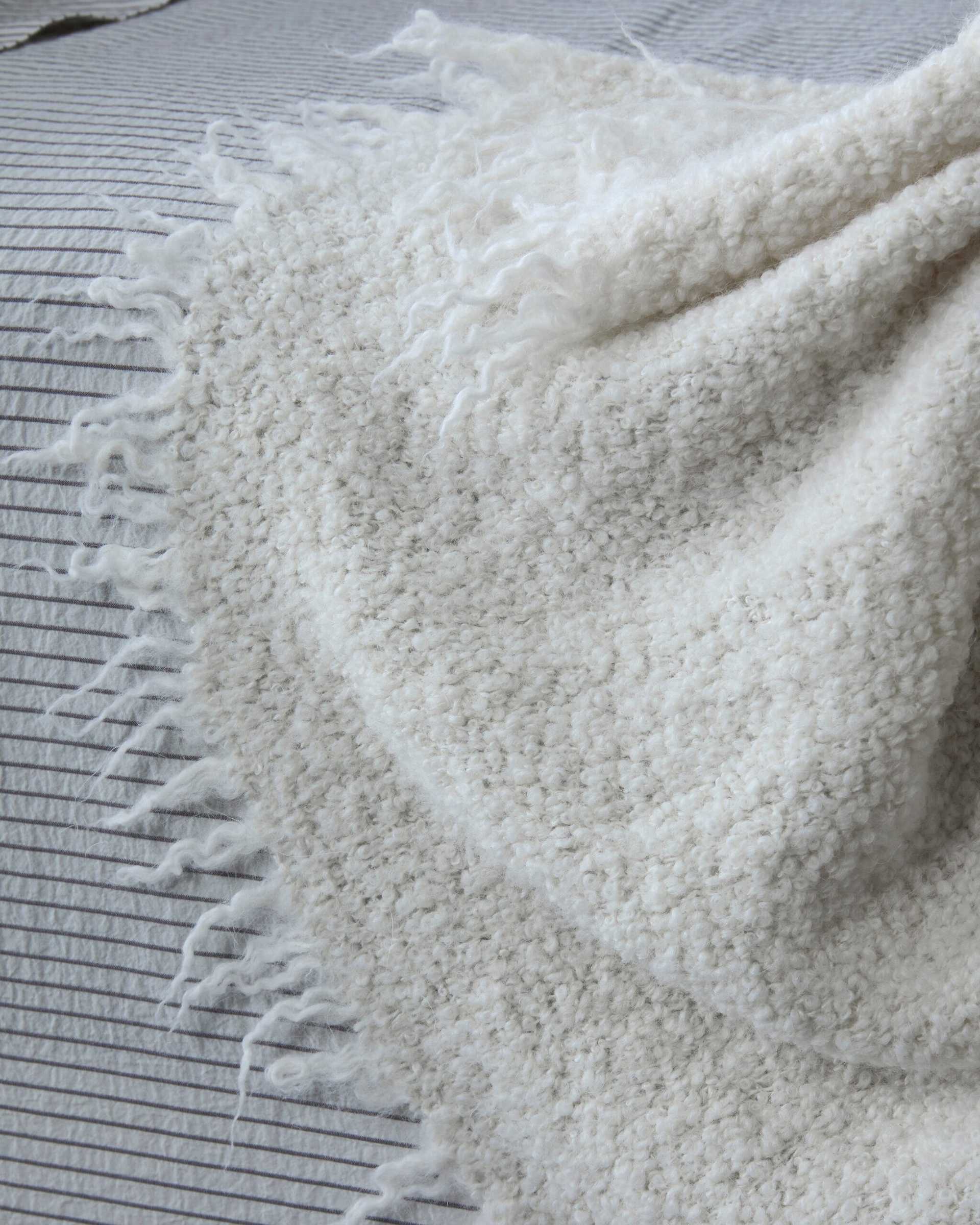
Tuis Blanket is a notable example within this category, showcasing features that blend softness and durability. Its fiber blend delivers a gentle touch against the skin, while a sturdy weave enhances shape retention and resilience. Functional benefits include reliable warmth, ease of care, and suitability for diverse bedding configurations and room aesthetics.
Manufacturing details such as thread count, plied yarns, and finishing processes contribute to overall feel and performance. A well-constructed blanket balances loft and weight, supporting comfort during rest or lounging. Design considerations, including colorfast dyes and minimal pilling, help maintain appearance and tactile appeal after repeated use and washing cycles.
In practical terms, blankets support a range of uses from layering on beds to providing a cozy surface for seating areas. They pair well with bedding essentials like sheets and pillows, and can complement bath textiles in cohesive linen ecosystems. Recognizing care needs and material characteristics enables consistent comfort, warmth, and long-lasting value.
 Bedding