Choosing Linen and Cotton Blend Bedding: A Practical Guide to Comfort and Care
A thoughtful exploration of how linen-cotton blends balance texture, durability, and ease of care, with a discerning eye on bedding ecosystems from Coyuchi and like-minded brands.
The textile world often unfolds like a quiet argument staged on a loom: linen, with its breath of ancient fields and sun-worn patience, meets cotton, the modern workhorse of comfort. When they merge into a linen-cotton blend, they do more than share a thread count or a weave; they negotiate a truce between texture and practicality. It is that negotiation—between tactile sensation and the daily cadence of laundry—that makes linen-cotton blends a compelling choice for bedding.
The blend’s magic often lies in ratios. A common composition might skew toward linen for crispness and moisture-wicking properties, with cotton lending softness and resilience. The result can feel cooler in warm climates, yet not so stiff as pure linen can sometimes be. The aim is a fabric that breathes with you, ages gracefully, and remains forgiving to regular washing cycles.
What a linen-cotton blend actually does
Linen fibers bring a natural texture that reads as quiet luxury. They wick humidity, dry relatively quickly, and tend to become softer with washing and use. Cotton, meanwhile, contributes a smoother hand, consistent softness, and strong durability. A well-chosen blend tends to combine these traits: the fabric gains a balanced hand, improved drape, and a forgiving character that can withstand years of routine laundering without sacrificing comfort.
The practical implications are worth noting. Blended sheets and duvet covers can resist wrinkling more than 100 percent linen, which makes them easier to care for on a busy schedule. They also offer a more predictable shrinkage profile, an advantage when you want a stable fit on your pillows and duvet covers across seasons.
Quick-look comparisons: common blend ratios
While brands vary, several blend archetypes recur in the market. Each ratio carries a philosophy:
- 70/30 linen to cotton — A renewed linen feel with substantial softness and smoother finish than pure flax. Great for people who crave breathability without a demanding initial texture.
- 60/40 or 50/50 blends — A middle ground that emphasizes balanced drape, moderate crispness, and reliable durability. This ratio often suits beds that see year-round use and frequent washing.
- 40/60 or 30/70 blends — A softer, cotton-forward blend that leans toward cotton’s smoothness while preserving some linen character. This is a friendly entry point for readers new to linen aesthetics.
The ratios translate into tactile differences: higher linen content tends toward a drier, more textured hand and a lighter feel, while higher cotton content yields a smoother, more conventional sensation suitable for those who prefer a traditional sheet experience.
Care, durability, and lifecycle of linen-cotton bedding
The care philosophy for blends borrows from both parents. Wash at moderate temperatures with a mild detergent, avoid harsh agitation, and consider line drying when possible to protect fibers. If tumble drying, use a gentle cycle and remove promptly to minimize wrinkles. The goal is a lifecycle that respects fabric integrity while accommodating modern laundry routines.
Durability emerges as a practical anchor. Linen’s natural durability and cotton’s enduring resilience complement one another, creating an ensemble that resists pilling and holds color over time. This durability is not merely about longevity; it translates into a sense of reassurance on laundry day and a consistent sleep experience night after night.
Brand landscape: Coyuchi and thoughtful peers
Coyuchi, a name frequently cited in sustainability-forward bedding discussions, exemplifies a particular philosophy: natural fibers, transparent sourcing, and a commitment to comfort that does not demand sacrifice in ethical consideration. In discussing linen-cotton blends, Coyuchi often foregrounds fabrics that behave well with regular washing while aiming to minimize environmental impact. While Coyuchi represents a benchmark for premium natural bedding, there are many other brands that offer comparable blends with their own distinctive takes on texture, weave, and finish.
Across the market, the choices you make about blends align with a broader question: what do you want your sleeping space to feel like across years? A linen-forward blend may age with a quiet, lived-in beauty, where the fabric’s texture finds character with time. A cotton-forward blend may deliver a more instantly familiar softness, with the reassurance of a fabric that responds predictably to washing and wear. The interplay between feel and lifespan becomes a defining consideration in your bedding choices.
How to choose your linen-cotton blend bedding
- Consider climate and seasonality: In warmer months, a lighter weave with linen’s breathability shines. In cooler seasons, a slightly heavier blend offers warmth without weight.
- Decide on the texture you want: Do you prefer a crisper hand with visible texture, or a smoother touch that feels settled from the first wash?
- Think about maintenance: If you value easy-care routines, opt for blends with cotton content that respond well to standard home washing and drying patterns.
- Assess care labeling and certifications: Certifications and ethical milestones matter for many readers. Look for transparent supply chain information and processing standards that align with your values.
- Match with your sleep environment: The overall mood of your bedroom—calm neutrals, high-contrast accents, minimalism, or cozy warmth—can guide your blend choice as well.
A practical reading list: what to look for when shopping
When you set out to buy linen-cotton bedding, certain terms deserve attention:
- Fiber content: Look for explicit proportions (for example, 60% linen, 40% cotton) and note what those percentages imply for texture and durability.
- Weave and finish: The weave density, such as percale or sateen, interacts with blend behavior. A linen-cotton blend with a percale weave might feel crisper, while a sateen weave can feel more lustrous and smooth.
- Care instructions: Check recommended washing temperatures and drying guidelines to estimate long-term upkeep.
- Certifications and ethics: Certifications (OEKO-TEX, GOTS, Fair Trade) can offer reassurance about environmental and social standards.
- Brand stories: Beyond the technical details, understand how a brand communicates its sourcing, mills, and manufacturing partners. A transparent narrative often correlates with a reliable product lifecycle.
Concrete recommendations: how to build a cohesive bedding set
A cohesive bedding set, built around linen-cotton blends, begins with a core set of elements: sheets, pillow covers, and a duvet cover that share a common aesthetic but offer subtle variation in texture and finish. You might pair a linen-forward sheet with a slightly cotton-forward duvet cover, ensuring color harmony across textiles while preserving a tactile dialogue between pieces.
If you prefer a more unified look, consider selecting all pieces from a single line that offers a consistent blend and weave. For a more mixed approach, curate with complementary textures—one linen-dominant weave paired with a soft cotton sateen or a gentle jacquard. Either strategy can foster a restful, deliberate atmosphere in the bedroom.
Product spotlight: tangible examples from the market
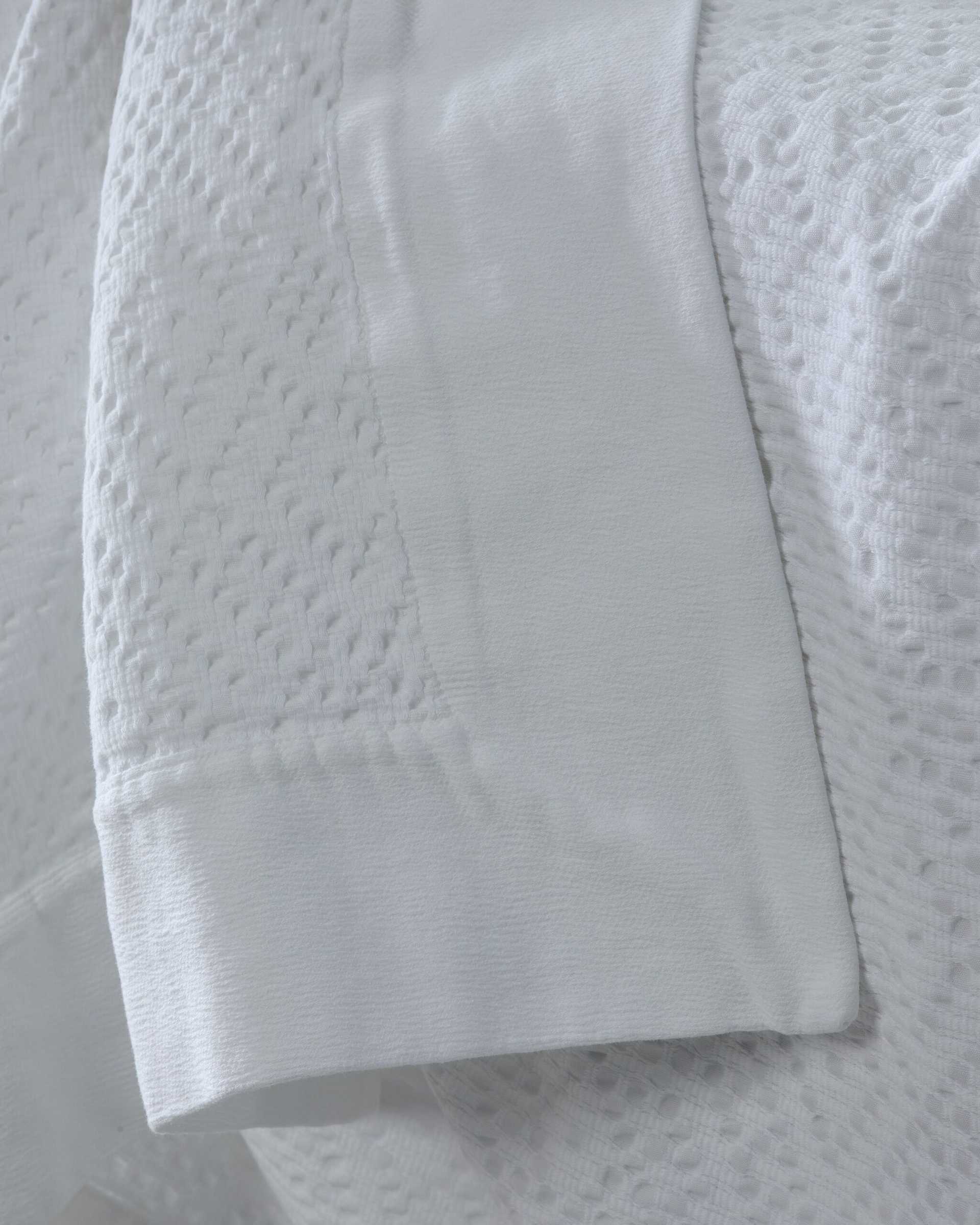
While the conversation above is about fabrics and philosophy, a few concrete items illuminate how these blends translate into everyday comfort. Consider a pure cotton bedcover with a modern waffle weave and a loom-woven border, which offers cool comfort and a crisp silhouette on warm nights. The tactile geometry of the waffle pattern creates depth without overwhelming the space.
A linen-pillow display—whether a Belgian linen sham or a linen-cotton blend cover—often reads as a quiet accent; its texture can subtly shift the room’s mood, providing a tactile counterpoint to smooth duvet covers or sateen pillowcases. In selecting textiles, aiming for a color story that carries through the room helps to maintain harmony across sheets, shams, and decorative textiles.
Closing reflection: choosing bedding as a daily practice
The act of selecting linen-cotton bedding is, at its core, a daily practice of comfort and intention. It is about recognizing that textiles are not merely functional but carry an ethical and emotional resonance: the patience of linen, the reliability of cotton, and the care we invest in the spaces where we rest. In this light, the blend becomes a metaphor for balanced living: textures that endure, care routines that respect the fabric’s life, and a bedroom that welcomes you with quiet optimization rather than ostentation.
For readers navigating this landscape, the most meaningful guidance is practical and grounded: know the ratios, understand the care, and consider how the blend’s feel aligns with your sleep rituals. The right bedding is less about chasing a trend and more about sustaining a sense of ease that lasts beyond a season and into years of nightly returns.
Additional reading and resources
If you’re curious to dig deeper, seek out articles and guides that compare blends across brands, and look for case studies on fiber use and environmental impact. Reader reviews and expert essays often illuminate how different blends perform in situations ranging from allergy considerations to temperature regulation. The goal is to assemble a personal library of references that informs your shopping, laundry, and daily sleep rituals.

